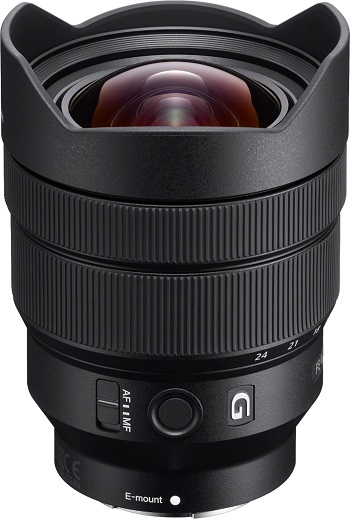
 In photography and cinematography, a wide-angle lens refers to a lens whose focal length is substantially smaller than
the focal length of a normal lens for a given film plane. This type of lens allows more of the scene to be included in
the photograph, which is useful in architectural, interior and landscape photography where the photographer may not be
able to move farther from the scene to photograph it.
In photography and cinematography, a wide-angle lens refers to a lens whose focal length is substantially smaller than
the focal length of a normal lens for a given film plane. This type of lens allows more of the scene to be included in
the photograph, which is useful in architectural, interior and landscape photography where the photographer may not be
able to move farther from the scene to photograph it.
Another use is where the photographer wishes to emphasise the difference in size or distance between objects in the foreground and the background; nearby objects appear very large and objects at a moderate distance appear small and far away.
Longer lenses magnify the subject more, apparently compressing distance and (when focused on the foreground) blurring the background because of their shallower depth of field. Wider lenses tend to magnify distance between objects while allowing greater depth of field.
Another result of using a wide-angle lens is a greater apparent perspective distortion when the camera is not aligned perpendicularly to the subject: parallel lines converge at the same rate as with a normal lens, but converge more due to the wider total field. For example, buildings appear to be falling backwards much more severely when the camera is pointed upward from ground level than they would if photographed with a normal lens at the same distance from the subject, because more of the subject building is visible in the wide-angle shot.
Because different lenses generally require a different camera–subject distance to preserve the size of a subject, changing the angle of view can indirectly distort perspective, changing the apparent relative size of the subject and foreground.