Our Process
Extraction
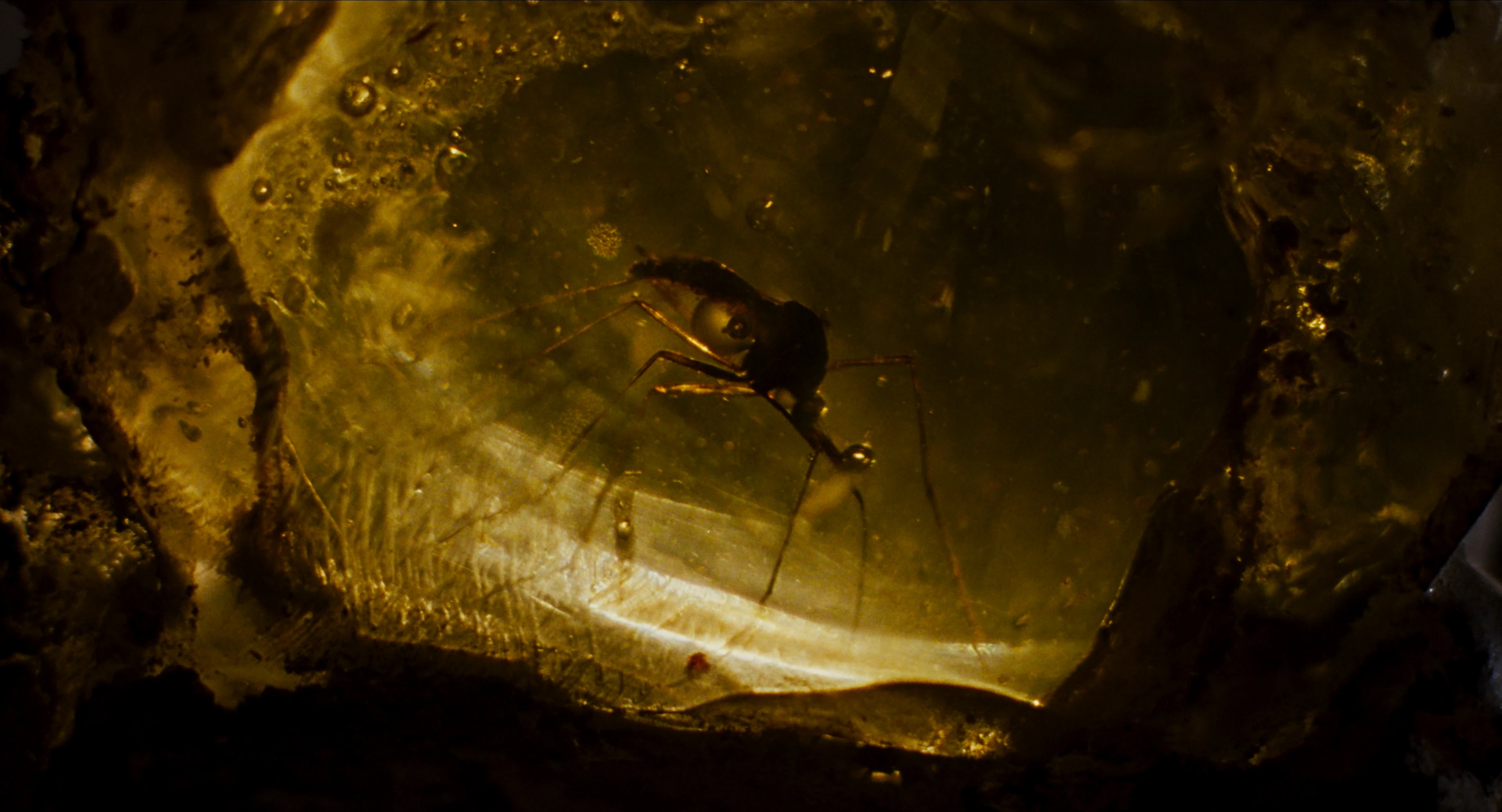
The first step involves the extraction of DNA. InGen were the first to discover the potential behind extracting DNA from the fossilized remains of tens of millions year old mosquitos trapped in amber back in 1983. Over millions of years the amber has protected large amounts of the DNA inside the insect, albiet with gene sequence gaps.
Sequencing
The slow decay rate means that there are enough preserved DNA sequences to construct a genome. Early specimens in the 1990s required weeks of gene gap sequencing to fill in missing DNA sequences. Thanks to additional funding from Masrani, the Hammond XB-20 can decode and correct the genome of any extinct creature in under an hour.
Assembly
InGen biologists then take the constructed genome of the creature and insert it into an artificial host egg, synthesized according to the requirements of the animal. Synthetic proteins then ensure that the host has sufficient nutrition throughout its gestation in order to survive over the weeks until hatching.
Hatchery
Scientists and animal veterinarians then work together to ensure that the gestation of the animal runs smoothly until hatching. The specimen eggs are carefully incubated at a specific temperature to allow for optimum growth. During the hatching process, a dedicated team of two scientists observe and record data during the birth.
Nursery
InGen scientists undertake multiple tests at birth to ensure the animal is defect-free and that vitals are good. From there, the animal is handed directly over to veterinarians who assist the nurturing of the animal until it is released into an enclosure after three months. Scientists continue to monitor measured data of the animal.